
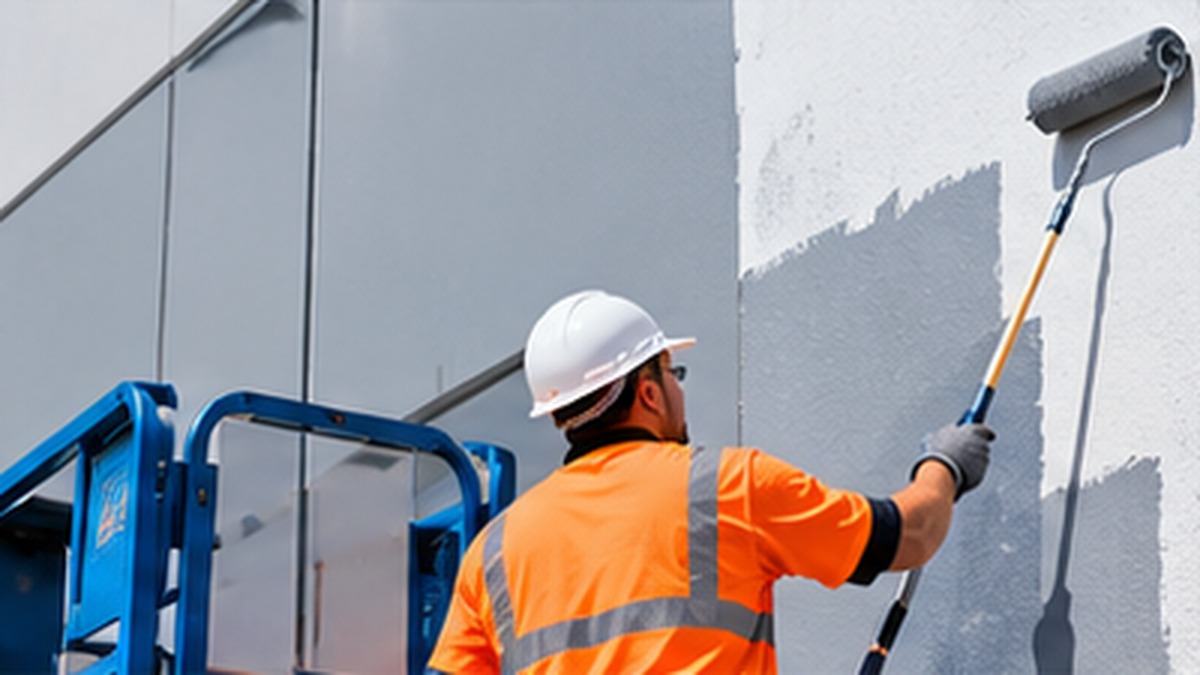
Good commercial painting preparation starts weeks before painters arrive. It covers a site inspection, a clear scope, a schedule that keeps the business running, surface repairs, protection for furniture and equipment, safe access, and communication with tenants and staff. Getting these right reduces disruption, avoids delays, and helps the paint last longer. This guide walks facility managers and business owners through each step, with a checklist and a sample project timeline.
Why Proper Preparation Matters for Commercial Painting Projects
Proper preparation matters because most commercial painting problems start before the first coat goes on. Paint applied over dirty, damaged or unprepared surfaces fails early, and poor planning leads to disruption, delays and safety risks. Preparing the site, surfaces, and people involved keeps the project on time and on budget.
Good preparation helps:
- Paint lasts longer, because it bonds to clean, sound surfaces.
- Reduce business disruption, because work is planned around trading hours.
- Control costs, because the scope is agreed before work starts.
- Keep people safe, because access, signage and work zones are planned.
- Avoid surprises by finding repairs and hazards early.
Assessing the Building’s Condition Before Painting
Start with a site inspection of every area to be painted. The inspection should record the surface condition, needed repairs, access requirements, hazards, and how each area is used. This becomes the basis for an accurate scope, schedule and quote.
What a site inspection should cover:
| Area | What to check |
| Walls and ceilings | Cracks, holes, water stains, peeling, mould |
| Exterior surfaces | Chalking, fading, cracking, rust, damaged render or cladding |
| Metalwork | Rust on doors, railings, frames and roller doors |
| Timber | Rot, bare timber, flaking paint |
| Moisture | Leaks, rising damp, poor drainage |
| Access | Building height, roof access, scaffold or lift needs |
| Hazards | Old paint that may contain lead, electrical fittings, fragile roofs |
| Use of space | Trading hours, foot traffic, sensitive areas such as kitchens or clean rooms |
Older buildings. The NSW Government’s LeadSmart guide to renovating and maintenance says lead paint was used in most homes built in Australia before 1970, and that wet sanding and wet scraping are the safest ways to prepare old lead paint. Raise this at the inspection for older commercial buildings.
Fix leaks and moisture problems before painting. Paint will not stop water from coming through a wall, and it will peel if moisture builds up behind it.
Scheduling Commercial Painting to Minimise Business Disruption
Schedule commercial painting around how the building is used. Options include staging work area by area, painting outside trading hours, working on weekends or during quieter periods, and coordinating with tenants. Hence, each business knows when its space will be affected.
Ways to reduce disruption:
- Stage the work by floor, zone or tenancy so most of the building stays open.
- Paint high-traffic areas outside trading hours where the contractor offers it.
- Use quieter periods, such as holiday shutdowns, for large areas.
- Plan exterior work around weather, with backup dates.
- Keep entries and exits open, or plan safe alternative routes.
- Allow time for drying and ventilation before staff or customers return.
Coordinating with tenants and staff:
- Give written notice of dates, areas and expected disruption.
- Agree access times for each tenancy.
- Tell tenants what they need to move or protect.
- Provide one contact person for questions.
- Update everyone if the schedule changes.
Sample project timeline:
| Stage | Timing | Key tasks |
| Inspection and scope | Several weeks before | Site inspection, scope, quote, colour selection |
| Approvals and planning | 2 to 4 weeks before | Approve quote, agree schedule, notify tenants and staff |
| Site preparation | Days before | Clear areas, protect equipment, set up access and signage |
| Surface preparation | Start of project | Clean, repair, sand, prime |
| Painting | Main phase | Apply coats area by area |
| Inspection and touch-ups | End of each stage | Check finish, fix defects |
| Handover | Completion | Final inspection, remove protection, clean up |
Actual timings depend on building size, scope, weather and access, so ask your contractor for a written schedule.
Preparing Walls, Ceilings and Exterior Surfaces for Painting
Surfaces must be clean, dry, sound and repaired before painting. That means washing off dirt and grease, removing loose paint, filling cracks and holes, sanding for adhesion, treating rust and mould, and priming bare or repaired areas. Professional painters usually handle this, but building managers can help by clearing access and reporting known problems.
Interior surfaces:
- Clean walls to remove grease, dust and marks.
- Fill cracks and holes, then sand smooth.
- Spot-prime repaired areas and stains.
- Treat mould before painting.
- Remove or mask fittings, switch plates and signage.
Exterior surfaces:
- Wash walls to remove dirt, salt and mould.
- Scrape loose and flaking paint.
- Repair cracked render and damaged cladding.
- Treat rust on metalwork.
- Prime bare timber, metal and repairs.
- Seal gaps around windows and joins.
Our commercial painting team first assesses each property to identify areas that need repair or preparation, including sanding, priming, and crack repair.
Protecting Furniture, Equipment and Surrounding Areas
Protect everything that cannot be moved, and move everything that can be moved. Clear work areas of furniture, stock, and equipment; cover what stays with drop sheets and plastic; and protect floors, fittings, and sensitive equipment from dust and paint. Plan this before painters arrive so work starts on time.
Protection checklist:
- Move desks, chairs, shelving and stock away from walls.
- Back up and cover computers and electronics, or move them out.
- Cover fixed equipment with plastic sheeting.
- Protect floors, carpets and benchtops.
- Remove artwork, signage and noticeboards.
- Protect landscaping, paths and car parks during exterior work.
- Keep air-conditioning returns clear of dust, or agree how they will be managed.
Agree with your contractor who is responsible for moving and protecting each item.
Addressing Safety Requirements and Building Access
Commercial painting must be planned as a safe work activity. That includes managing work at height, keeping public areas safe, controlling dust and fumes, and ensuring contractors have the right licences, insurance, and safety documents. Building managers should also brief contractors on site rules and emergency procedures.
Work at height. SafeWork NSW’s guide to working at heights says businesses must protect workers from falling between levels, regardless of height. Construction work where a person could fall more than two metres requires a safe work method statement, and fall-prevention devices such as scaffolds, elevating work platforms, and guardrails take precedence over fall-arrest systems.
Safety and access checklist:
| Item | What to confirm |
| Licence and insurance | Contractor’s licence and current insurance |
| Safe work method statement | For high-risk work, including work at height |
| Access equipment | Scaffold, elevating work platform or ladders suited to the job |
| Public protection | Barriers, signage and safe walkways |
| Ventilation | Airflow in enclosed areas while paint dries |
| Site induction | Building rules, sign-in and emergency procedures |
| Hazardous materials | Lead paint, asbestos and fragile roofs identified |
| After-hours access | Keys, alarms and security arrangements |
Final Checklist Before Professional Commercial Painters Arrive
Before painters arrive, confirm the scope, schedule, access, protection and communication are all in place. A final walk-through a day or two before the start date catches anything missed and helps the project start smoothly.
Pre-painting checklist:
- [ ] Scope, colours and finishes agreed in writing.
- [ ] Schedule shared with staff and tenants.
- [ ] Work areas cleared of furniture, stock and equipment.
- [ ] Fixed equipment covered or protected.
- [ ] Known leaks and moisture problems fixed.
- [ ] Access arranged: keys, alarm codes, parking, loading bays.
- [ ] Power and water access agreed.
- [ ] Site induction and emergency procedures provided.
- [ ] Contractor licence, insurance and safety documents checked.
- [ ] Signage and safe walkways planned.
- [ ] Single contact person named for both sides.
- [ ] Weather backup dates set for exterior work.
Frequently Asked Questions
How do you prepare a commercial building for painting?
Start with a site inspection and written scope. Then schedule the work around trading hours, notify tenants and staff, clear and protect work areas, fix leaks, arrange access and check the contractor’s licence, insurance and safety documents. The painters usually handle surface preparation.
Can commercial painting be completed outside business hours?
Often, yes. Many commercial projects are staged after hours, on weekends or during quieter periods to reduce disruption. Availability depends on the contractor and the site, so confirm after-hours work and any extra costs when you request a quote.
How long does a commercial painting project usually take?
It depends on the building’s size, the scope, the amount of preparation, access, weather for exterior work and how the work is staged. Your contractor should provide a written schedule with the quote.
Do commercial painters handle surface preparation?
Yes, professional commercial painters usually handle surface preparation, such as cleaning, scraping, sanding, filling cracks and priming. Confirm exactly what preparation and repairs are included in the written scope.
What safety precautions are required during commercial painting?
Key precautions include managing work at height, preparing safe work method statements for high-risk work, installing barriers and signage to protect the public, and ensuring adequate ventilation. At the same time, paint lead-based products, and identify hazards such as lead-based paint or fragile roofs. Contractors should hold the right licence and insurance.
Get Your Building Ready for Painting
Commercial painting preparation comes down to planning: inspect the building, agree the scope, schedule around the business, protect equipment, manage safety and keep tenants informed. With those steps in place, the project runs smoother, and the finish lasts longer.
Our team provides commercial painting and strata painting across Sydney, along with epoxy floor coatings for workshops and commercial floors. Read why it pays to hire professional painters, or see our project gallery.
Schedule a Site Assessment or call 0468 814 249.