
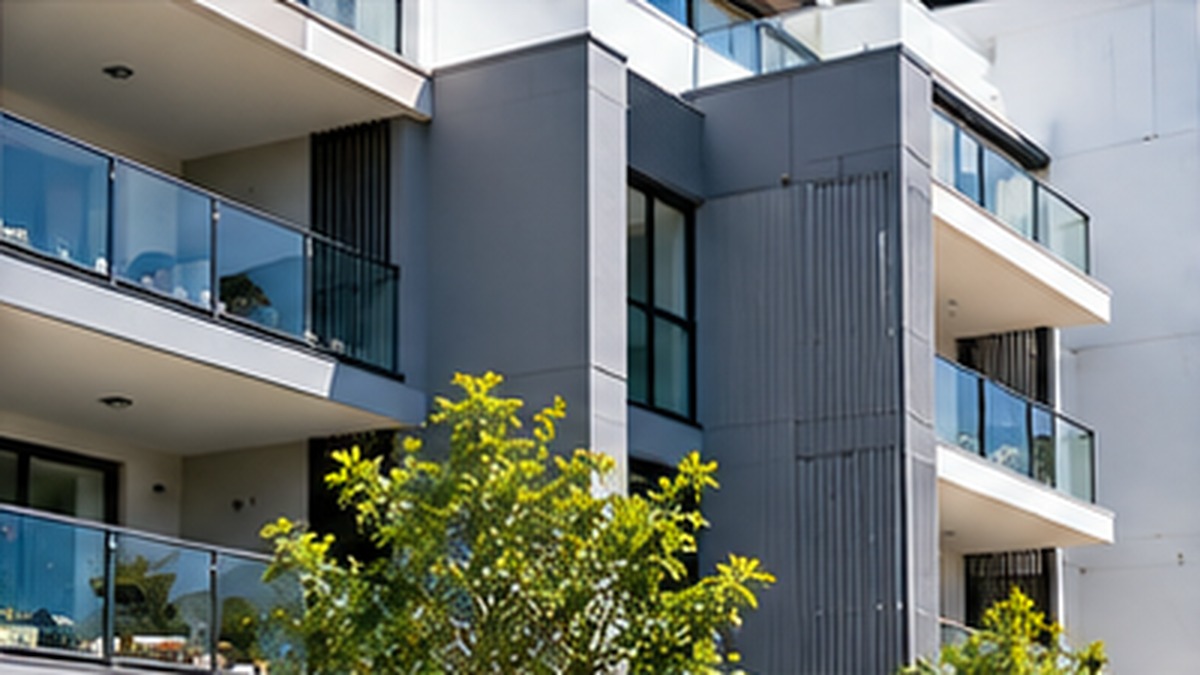
Good strata painting maintenance means inspecting the building regularly, repainting before paint failure exposes the structure, and planning costs years through the capital works fund. Exterior paint on apartment buildings typically needs renewing every 10 to 15 years on render and masonry, and sooner on timber, metal and exposed elevations. Busy interior common areas often need attention more often. This guide covers repaint cycles, warning signs, budgeting, resident communication and choosing contractors.
Why Regular Strata Painting Maintenance Matters
Regular strata painting maintenance protects the building, keeps common areas presentable and spreads costs predictably. Paint is the first barrier against water, sun and salt. When it fails, cracks appear, timber rots, and metal rusts, and repairs cost far more than repainting on time.
In NSW, the government’s guide to strata repairs and maintenance says the owners corporation or strata committee must repair and maintain common property. That usually includes the building’s exterior, stairwells, corridors and other shared areas.
Planned painting helps strata schemes:
- Protect the structure from moisture entering the render, concrete, and timber.
- Avoid emergency spending by fixing small problems before they spread.
- Keep common areas presentable for residents, buyers and tenants.
- Plan levies so owners are not hit with large special levies.
- Meet maintenance duties for common property.
How Often Should Apartment Buildings Be Repainted?
Apartment building exteriors are commonly repainted every 10 to 15 years for render and masonry, with timber, metal and coastal or west-facing elevations often needing earlier attention. Interior common areas such as lobbies, corridors, and stairwells may need repainting more often due to daily wear. Annual inspections should guide the timing.
| Area | Typical repaint cycle | What shortens it |
| Rendered and masonry exterior walls | About 10 to 15 years | Cracking, salt air, strong sun |
| Fibre cement exterior | About 8 to 12 years | Cracked joins, moisture |
| Metal balustrades, railings and doors | About 5 to 10 years, plus rust touch-ups | Salt, scratches, rust |
| Timber elements | About 7 to 10 years | Moisture, UV |
| Lobbies and entrances | More often, based on wear | High traffic, marks and scuffs |
| Corridors and stairwells | Based on wear | Furniture moves, trolleys, hands on walls |
| Car park walls and line marking | Based on wear and safety needs | Vehicle damage, fading lines |
These are general guides for well-prepared surfaces with good-quality paint. Each building is different, so condition, not age, should set the timing.
Factors That Affect Strata Painting Frequency
Strata painting frequency depends on the building’s materials, its exposure to weather, the quality of the last paint job, how heavily common areas are used, and how well the building is maintained between repaints.
| Factor | Effect on repaint frequency |
| Building materials | Render and masonry usually last longer than timber and metal |
| Coastal location | Salt air speeds up wear on metal, render and paint |
| Orientation | North- and west-facing elevations fade and break down faster |
| Building height | Higher, exposed walls take more wind and rain |
| Previous preparation | Poor preparation leads to early peeling |
| Paint system | The right system for each surface lasts longer |
| Foot traffic | Busy lobbies and corridors scuff faster |
| Water leaks | Leaking balconies, gutters and pipes cause peeling and stains |
| Cleaning and upkeep | Regular washing and touch-ups extend paint life |
Older buildings. The NSW Government’s LeadSmart guide to renovating and maintenance says lead paint was used in most homes built in Australia before 1970. Older strata buildings may need lead-safe preparation methods.
Signs Your Apartment Building Needs Repainting
An apartment building needs repainting when paint stops protecting the surface or common areas look worn. Look for chalky or faded walls, cracking, peeling, blistering, rust stains, mould on shaded walls and heavily marked corridors. Early signs are cheaper to fix than widespread failure.
Exterior warning signs:
- Chalky residue when you rub a wall.
- Faded, patchy colour on sunny elevations.
- Hairline cracks in paint or render.
- Peeling or blistering, often near balconies, windows or downpipes.
- Rust stains from balustrades, fixings or metal trims.
- Mould or mildew on shaded, damp walls.
Interior common area signs:
- Scuffs, marks and dents in corridors and lift lobbies.
- Worn handrails and door frames.
- Water stains on ceilings near balconies or plumbing.
- Faded or worn car park line markings.
Keep a photo record of problem areas at each inspection. It helps the committee track change and gives painters clear information for quotes.
Exterior vs Interior Strata Painting Maintenance Requirements
Exterior strata painting protects the building from the weather and usually requires access equipment, longer timeframes, and more planning. Interior common area painting is mostly about presentation and wear, and usually focuses on minimising disruption to residents moving through shared spaces.
| Requirement | Exterior painting | Interior common areas |
| Main purpose | Weather protection and appearance | Presentation and durability |
| Access | Scaffolding, elevating work platforms or rope access | Ladders and small platforms |
| Weather | Dry, mild conditions needed | Mostly weather-independent |
| Resident impact | Balconies, windows, parking may be affected | Corridors, lifts and lobbies affected |
| Preparation | Washing, crack repair, rust treatment, sealing | Filling, sanding, spot priming |
| Safety | Work at height controls | Wet paint signage, ventilation, clear paths |
| Timeframe | Longer, weather-dependent | Shorter, often staged by floor |
Work at height. SafeWork NSW’s guide to working at heights says that construction work where a person could fall more than two metres requires a safe work method statement, and that only licensed scaffolders can erect scaffolds where the fall risk exceeds four metres. Strata committees should ask contractors how height access will be managed.
Planning a Strata Painting Maintenance Schedule and Budget
Plan strata painting maintenance through regular inspections, a written schedule and the 10-year capital works fund plan. In NSW, owners corporations must prepare a 10-year capital works plan that forecasts major repairs and their costs. The capital works fund pays for major repairs and maintenance, which can include large repainting projects.
The NSW Government’s guide to strata repairs and maintenance also says owners corporations must obtain at least two independent quotes for work valued at $30,000 or more, except for emergency repairs. Strata committees use the standard form for the 10-year capital works fund plan to record the plan.
Strata painting maintenance checklist:
- [ ] Inspect exterior and common areas at least once a year.
- [ ] Photograph and record problem areas.
- [ ] Touch up small failures before they spread.
- [ ] Wash exterior walls where salt or dirt builds up.
- [ ] Fix leaks from balconies, gutters and downpipes.
- [ ] Include exterior and interior repainting in the 10-year capital works plan.
- [ ] Review the plan when inspections show faster wear.
- [ ] Get at least two independent quotes for work of $30,000 or more.
- [ ] Check by-laws for rules on major repairs and spending limits.
- [ ] Agree colours and finishes before work is quoted.
- [ ] Plan resident communication before work starts.
Communicating with residents:
- Give written notice of start dates, work areas and expected duration.
- Explain balcony access, window and parking restrictions.
- Share a schedule by building side or floor.
- Provide a contact for questions and complaints.
- Update residents when weather causes delays.
Our guide to body corporate painting explains how strata painting projects are approved and what they cost.
Choosing Professional Strata Painters for Apartment Buildings
Choose strata painters who can show strata experience, hold the right licence and insurance, explain their work-at-height approach, and provide a clear written scope. A good contractor will also plan the work around residents and communicate with the strata manager and committee.
What to check:
| Check | Why it matters |
| Licence | Confirms the contractor can legally carry out the work |
| Insurance | Protects the owners corporation and residents |
| Strata experience | Shows they can work around residents and committees |
| Safety approach | Safe work method statements and access plans for height work |
| Written scope | Lists surfaces, preparation, products and number of coats |
| Schedule | Shows how work is staged and how long it will take |
| Communication plan | How residents are notified and updated |
| References | Previous strata projects you can review |
Compare quotes on the same scope. A lower price may exclude preparation, repairs, or access equipment. Our guide to choosing a painting company covers more questions to ask.
Frequently Asked Questions
How often should strata buildings be painted in Australia?
Strata building exteriors are commonly repainted every 10 to 15 years for render and masonry, with timber, metal and exposed elevations needing earlier attention. Interior common areas may need repainting more often. Annual inspections should guide the timing.
Who is responsible for painting common areas in strata properties?
In NSW, the owners corporation or strata committee must repair and maintain common property, which generally includes shared areas and the building exterior. Owners are generally responsible for internal painting within their own lot. Check your strata plan and by-laws for specific boundaries.
How much does strata painting cost in Australia?
Strata painting costs depend on the building’s size and height, the surfaces, preparation and repairs needed, access equipment and how the work is staged. Our guide to body corporate painting explains costs, and a site inspection gives an accurate quote.
Does strata painting require owners corporation approval?
Generally, yes. Common property painting is decided through the owners corporation or strata committee, and by-laws may set spending limits. In NSW, work valued at $30,000 or more needs at least two independent quotes, except in emergencies.
How long does it take to repaint an apartment building?
It depends on the building’s size and height, the amount of preparation and repair, access equipment, weather and how the work is staged around residents. Your painting contractor should provide a written schedule with the quote.
Plan for Your Building
Good strata painting maintenance combines annual inspections, early touch-ups and a repainting plan built into the 10-year capital works plan. That keeps the building protected, common areas presentable and costs predictable for owners.
Our team provides strata painting services across Sydney and works with strata managers and committees to plan projects with residents in mind. We also offer commercial painting for mixed-use buildings.
Request a Strata Painting Quote or call 0468 814 249.