
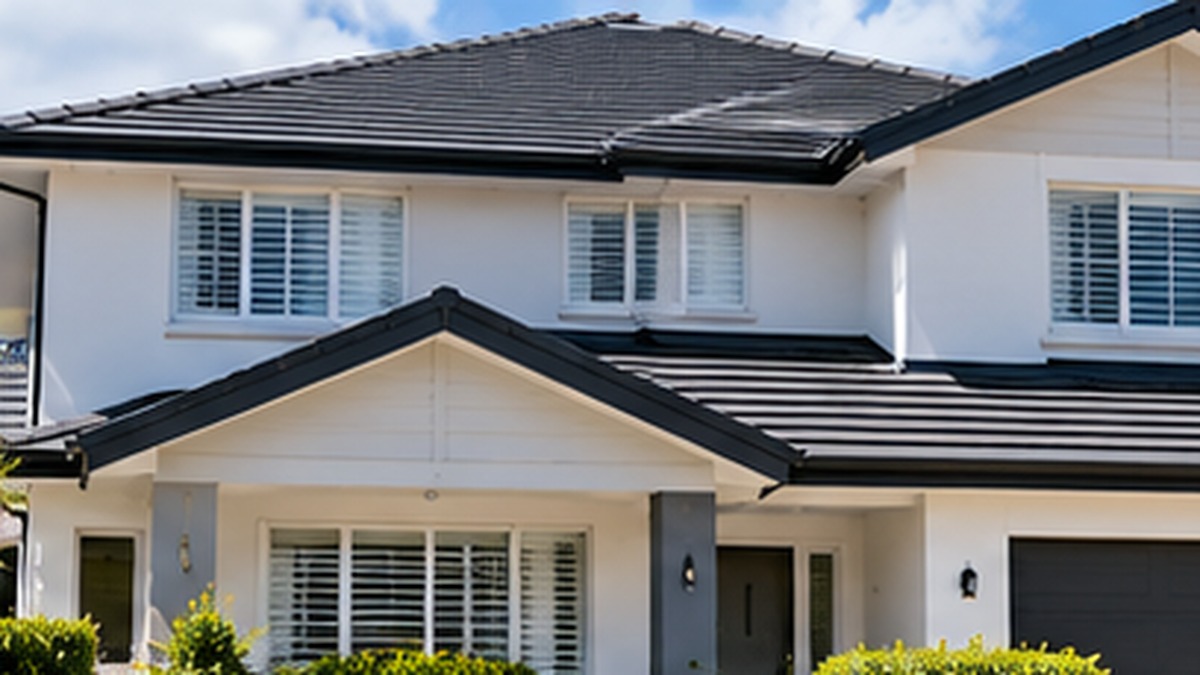
If you are wondering how often to repaint the exterior of your home in Australia, most homes need a full repaint every 7 to 15 years. The right interval depends on the surface, the quality of the last paint job, how much sun, salt and rain the walls take, and how well the paint has been maintained. Weatherboards and metal usually need painting sooner than render or painted brick. This guide explains the factors, the warning signs, surface-by-surface intervals and how to make your next paint job last longer.
How Often Should You Repaint Your House Exterior in Australia?
Most Australian homes need an exterior repaint every 7 to 15 years. Timber weatherboards and metal cladding usually sit at the shorter end of that range, while rendered walls and painted brick often last longer. Homes on the coast, in full sun or with poor preparation last time may need repainting sooner.
Treat these intervals as a guide, not a deadline. The condition of your paint matters more than its age. A north- or west-facing wall can wear out years before a shaded south-facing wall on the same house.
A practical approach:
- Inspect the outside of your home once a year, ideally in autumn or spring.
- Touch up small areas early, such as chips on window frames or cracks around joins.
- Plan a full repaint when wear spreads across a whole wall or several surfaces.
Factors That Affect How Long Exterior House Paint Lasts
Exterior paint life depends on five main factors: the surface material, the quality of preparation, the paint system used, the weather exposure, and how well the paint is maintained. Of these, preparation and exposure usually make the biggest difference.
| Factor | How it affects paint life |
| Surface material | Timber moves with moisture; metal can rust; render and brick are more stable |
| Preparation | Paint applied over dirt, chalky paint,t or loose flakes fails early |
| Paint system | Correct primer, undercoat and top coat for each surface last longer |
| Paint quality | Better-quality exterior paints generally resist UV and weather better |
| Sun exposure | North- and west-facing walls fade and break down faster |
| Coastal salt | Salt air speeds up wear on metal and timber |
| Moisture | Leaks, poor drainage and garden beds against walls cause peeling |
| Colour | Dark colours show fading sooner and run hotter in direct sun |
| Maintenance | Regular washing and early touch-ups extend paint life |
Preparation is the hidden factor. Two houses painted with the same product can last very different lengths of time. The difference often lies in whether the old surface was cleaned, scraped, sanded, repaired,d and primed properly.
Older homes need extra care. The NSW Government’s LeadSmart guide to renovating and maintenance says lead paint was used in most homes built in Australia before 1970. Scraping or sanding old paint can release lead dust, so preparation on older homes should use lead-safe methods.
Signs Your House Exterior Needs Repainting
Your house exterior needs repainting when the paint can no longer protect the underlying surface. Common signs include peeling, flaking, blistering, cracking, chalky residue, heavy fading and bare timber or rust showing through. Catching these early usually means less preparation and a lower repainting cost.
| Sign | What it looks like | What it usually means |
| Chalking | Powdery residue when you rub the wall | Paint is breaking down from UV exposure |
| Fading | Uneven or washed-out colour, worst on sunny walls | Pigment has broken down; protection is reducing |
| Hairline cracks | Fine cracks in the paint film | Paint is losing flexibility |
| Peeling or flaking | Paint lifting away from the surface | Moisture or poor adhesion |
| Blistering | Bubbles under the paint | Moisture or heat trapped behind the paint |
| Bare timber | Grey, weathered wood showing | Timber is exposed to moisture and UV |
| Rust | Orange or brown marks on metal or around nails | Metal is corroding under or through the paint |
| Mould or mildew | Dark spots, usually on shaded walls | Damp conditions; may need treatment before painting |
A simple check: run your hand along a sunny wall. If it leaves a chalky film on your palm, the paint has started to break down.
How Australia’s Climate Affects Exterior Paint Durability
Australia’s climate is hard on exterior paint. Strong sun breaks down paint films and colour, heat makes surfaces expand and contract, coastal salt accelerates wear on metal and timber, and heavy rain and humidity encourage peeling and mould. Sydney homes often face several of these at once.
How each condition affects paint:
- UV and sun: the main cause of chalking and fading. North- and west-facing walls take the most.
- Heat: surfaces expand and contract daily, which can crack paint over time, especially on dark colours.
- Coastal salt: salt settles on walls, accelerating corrosion and paint breakdown near the sea.
- Rain and humidity: moisture getting behind paint causes blistering and peeling; shaded, damp walls grow mould.
- Storms: wind-blown debris and driving rain wear paint on exposed elevations.
Coastal and high-UV homes should expect to repaint towards the shorter end of the usual ranges and to wash walls more often.
How Often Should Different Exterior Surfaces Be Repainted?
Different exterior surfaces need repainting at different intervals. Timber weatherboards typically need repainting every 7 to 10 years; fibre cement every 8 to 12 years; rendered walls and painted brick every 10 to 15 years; and metal cladding every 5 to 10 years. Exposure and preparation can move a house outside these ranges.
| Surface | Typical repaint interval | What shortens it | Maintenance tip |
| Timber weatherboards | 7 to 10 years | Coastal air, high UV, moisture | Check joins, sills and ends for bare timber yearly |
| Fibre cement | 8 to 12 years | Cracked joints, moisture | Wash regularly; check joints and nail heads |
| Rendered walls | 10 to 15 years | Cracking render, poor preparation | Fill hairline cracks before they let water in |
| Painted brick | 10 to 15 years | Moisture rising from below, poor primer | Keep garden beds and sprinklers off walls |
| Metal cladding | 5 to 10 years | Salt air, scratches, rust | Treat rust spots early |
| Window frames and trims | Often sooner than walls | Sun, rain run-off, movement | Touch up chips and cracks between repaints |
| Fascias and eaves | Similar to walls | Gutter overflow, sun | Clean gutters so water does not run down fascias |
| Decks and timber stairs | Much more often | Foot traffic and weather | Recoat or re-oil to theproduct’ss instructions |
These are typical ranges for good-quality paint on well-prepared surfaces. Trims, fascias and decks usually need attention before main walls. For timber decks, see our guide to deck sanding and oiling.
Best Time of Year to Repaint Your House Exterior
The best time to repaint a house exterior in Sydney is usually spring or autumn. These seasons tend to bring mild temperatures, lower humidity and fewer extreme days, which help paint dry and cure properly. Summer painting is possible, but it requires careful timing around heat and direct sun.
Seasonal guide:
| Season | Conditions | Painting notes |
| Spring | Mild, often drier | Good conditions for exterior work |
| Summer | Hot, humid, storms | Paint shaded walls; avoid hottest part of the day |
| Autumn | Mild, settled | Good conditions for exterior work |
| Winter | Cool, dew, short days | Slower drying; start later and finish earlier |
Paint should not go on in rain, in high humidity, when rain is expected before it dries, or on surfaces that are too hot from direct sun. Our guides to the best temperature to paint outside and the best time to paint ahome’ss exterior go into more detail.
How to Extend the Lifespan of Exterior House Paint
You can extend the life of exterior paint by washing walls regularly, fixing small problems early, managing moisture around the house and choosing a proper paint system with good preparation when you repaint. These habits can push the next repaint further away.
Maintenance habits:
- Wash walls once a year with a soft brush and low-pressure water to remove dirt, salt and cobwebs.
- Touch up chips and cracks on trims and window frames before water gets in.
- Clean gutters so overflow does not run down fascias and walls.
- Keep garden beds and sprinklers off walls to reduce moisture at the base.
- Trim plants so they do not rub against paint or keep walls damp.
- Treat mould early on shaded walls.
- Fix leaks from gutters, downpipes and taps quickly.
Preparation checklist for your next repaint:
- [ ] Wash all surfaces to remove dirt, salt and mould.
- [ ] Scrape loose and flaking paint.
- [ ] Sand edges and glossy surfaces for adhesion.
- [ ] Use lead-safe methods on homes built before 1970.
- [ ] Repair cracks, holes and damaged timber.
- [ ] Treat rust on metal surfaces.
- [ ] Prime bare timber, metal and repaired areas.
- [ ] Caulk gaps around windows, doors and joins.
- [ ] Protect gardens, paths and windows.
- [ ] Choose the right paint system for each surface.
- [ ] Check the weather forecast before starting.
Working safely. Exterior painting often involves ladders and heights. SafeWork NSW’s guide to working at heights warns that many people fall from step ladders by standing on the top two steps or over-reaching. For two-storey homes, professional painters with the right access equipment are the safer choice.
If you are deciding who to hire, our guide to why you should hire professional painters covers what to look for.
Frequently Asked Questions
How many years does exterior house paint last in Australia?
Exterior house paint typically lasts about 7 to 15 years in Australia. Timber and metal usually need repainting sooner, while render and painted brick often last longer. Coastal salt, strong sun and poor preparation can shorten paint life.
How do you know when your house needs repainting?
Look for chalky residue, fading, hairline cracks, peeling, blistering, bare timber or rust. If these appear across a whole wall or several surfaces, it is time to plan a repaint. Small, isolated problems can often be touched up.
What happens if you don’t repaint your house exterior?
Without repainting, moisture and UV reach the surface underneath. Timber can rot, metal can rust, and render can crack, which can lead to more expensive repairs later. Preparation also takes longer when paint has failed badly.
What is the best season for exterior house painting in Australia?
Spring and autumn are usually best in Sydney, as mild temperatures and lower humidity help paint dry and cure properly. Summer work is possible if painters follow the shade and avoid the hottest part of the day.
How much does it cost to repaint a house exterior in Australia?
The cost depends on the size of the home, the number of storeys, the surfaces, the amount of preparation, access and the paint system. Our guide to how much it costs to paint a house in Sydney explains pricing, and an on-site inspection gives an exact quote.
Keep Your Home Protected
Knowing how often to repaint house exterior surfaces helps you plan: roughly every 7 to 15 years, sooner for timber, metal and coastal homes, and later for well-prepared render and brick. A yearly inspection, regular washing and early touch-ups will keep your paint protecting your home for longer.
Our team provides interior and exterior residential painting across Sydney, with surface preparation and repairs included in the scope of work. See our project gallery for recent work, or learn more about our team.
Get a Free Quote or call 0468 814 249.